
A Sustainable Capacity Model from uMzinyathi District
South Africa’s renewed national focus on Early Childhood Development, articulated in the 2030 Bana Pele Blueprint, recognises a critical reality: access alone is not enough. The country must strengthen quality, practitioner capability and local systems if ECD is to deliver measurable long-term impact. KHULA Education’s Community ECD approach provides a practical model for how this can be achieved in rural settings.
The Rural Context
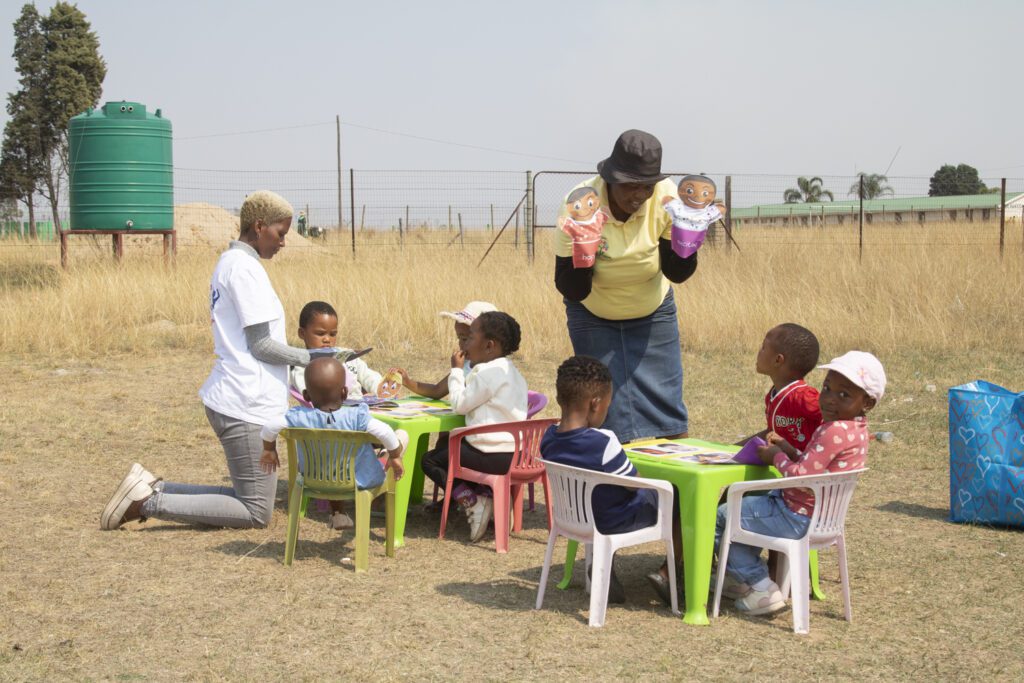
KHULA operates across a 120 square kilometre footprint in rural uMzinyathi District, KwaZulu-Natal. Prior to intervention, there were no structured ECD facilities within this footprint. Early learning provision was informal, inconsistent and under-resourced. KHULA established four preschools, now serving approximately 50% of local ECD-age children. However, infrastructure and capacity constraints meant that many children remained outside formal provision. The question was not whether to expand provision, but how to strengthen community centres that already existed.
Evidence from School Readiness Data
KHULA’s experience across local schools reinforces the importance of strong early childhood foundations. Using recognised school readiness assessments, we consistently see a clear pattern: children who attend KHULA preschools meet or exceed readiness benchmarks, while those without structured early learning support often struggle to reach these milestones.
In KHULA preschools, 99% of learners meet or exceed the 60% school readiness benchmark used to assess whether children are developmentally prepared to enter Grade R. In contrast, in one nearby school where the cohort included no KHULA preschool graduates, none of the learners assessed met the readiness threshold.
This gap highlights the importance of structured early learning environments that build language, cognitive and social foundations before formal schooling begins. Children entering school without these foundations often face immediate learning barriers that are difficult to overcome.
Closing this gap is a central focus of KHULA’s Community ECD Programme. While our preschools demonstrate strong readiness outcomes, many children in surrounding communities attend informal crèches or remain at home before entering school. Through sustained mentorship and support, KHULA is working to strengthen these community centres so that more children reach the same developmental milestones.
Over the next 6–12 months, KHULA will continue tracking progress across supported crèches. By January 2027, the aim is to demonstrate that children in these centres are increasingly meeting the same school readiness benchmarks as those who attend KHULA preschools.
The KHULA Community ECD Model
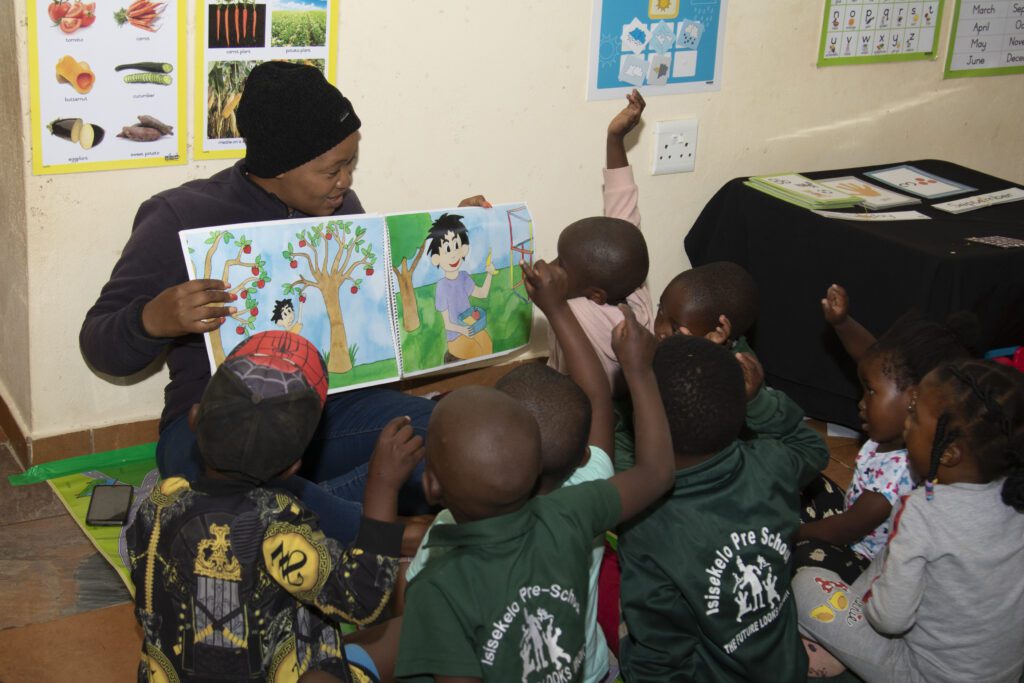
KHULA launched its Community ECD Programme in September 2025 to strengthen local crèches and particularly under-resourced Grade R classes.
The model focuses on:
- Practical classroom mentorship
- Structured curriculum support aligned to Grow ECD
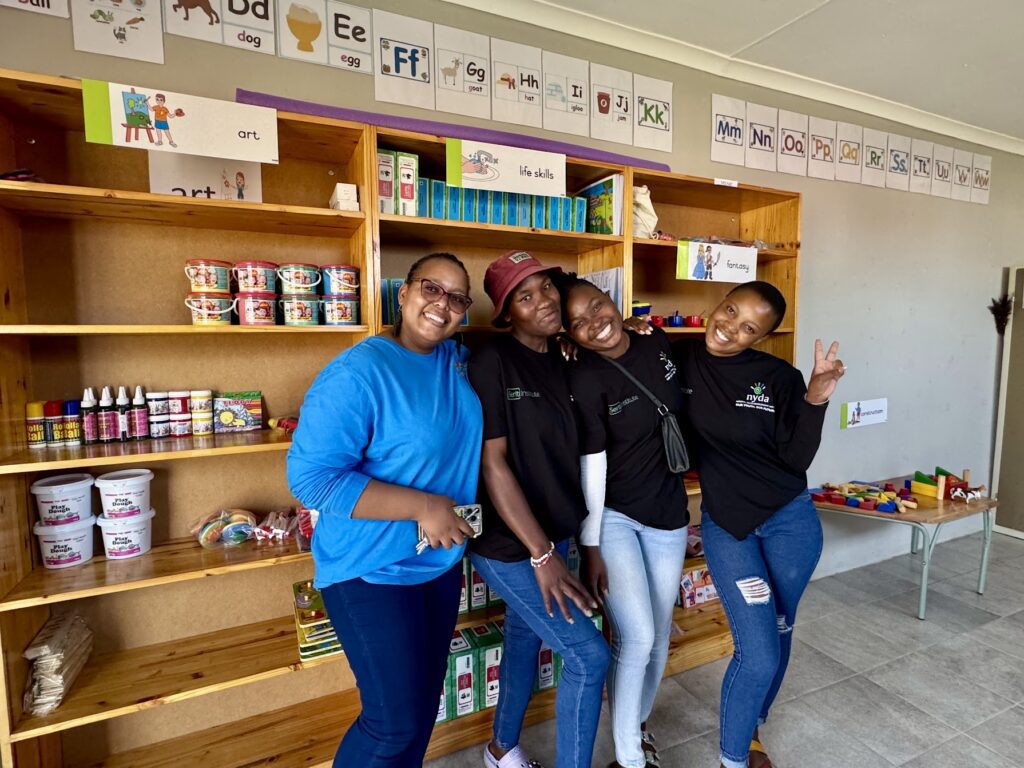
- Access to fully equipped toy libraries
- Developmental milestone monitoring
- Ongoing supervision and training
This approach shifts from service delivery to capacity building. It builds the skills of local practitioners and embeds structured systems within community centres.
Evidence from the Six-Month Pilot
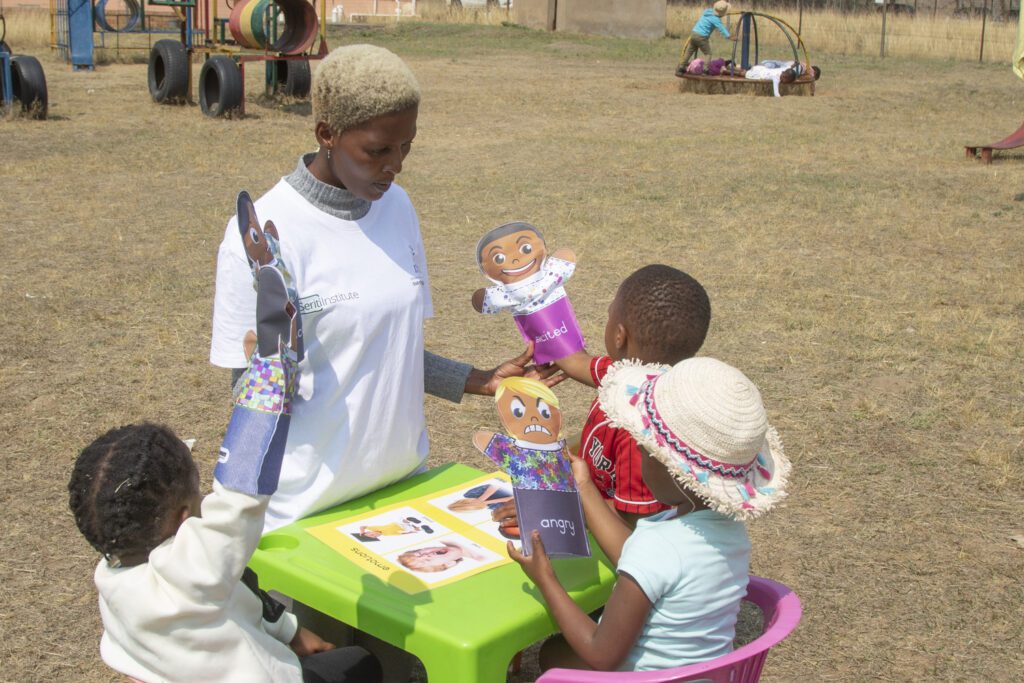
Through a six-month pilot (Sept 2025 – Mar 2026), 25 locally recruited ECD Champions supported 497 children across 12 community crèches, three Grade R classes and three toy libraries
Champions:
- Supported practitioners in structured lesson delivery
- Improved classroom organisation and child engagement
- Strengthened links between informal crèches and preschools
The pilot demonstrated improvements in teaching quality and resource use. However, short-term engagement is insufficient to embed sustained behavioural change. Evidence consistently shows that educational transformation requires consistent support over 18–24 months.
From Pilot to Implementation
An initial pilot phase, delivered under the National Youth Services (NYS) youth employment stimulus programme in partnership with the Seriti Institute, demonstrated that structured mentorship and curriculum alignment can improve classroom organisation, resource use and practitioner confidence. It also highlighted a critical insight: meaningful change requires sustained engagement. Short-term placements introduce new practices; longer-term support embeds them.
The current implementation phase focuses on consolidation. It prioritises continuity, regular mentorship and professional development, ensuring that improved practices become part of daily routine.
Local Capacity as Strategy
At the core of KHULA’s approach is local recruitment and upskilling.
ECD Champions are recruited from within the community and mentored by experienced ECD leaders. They receive structured training in curriculum implementation, classroom management, resource use and stakeholder engagement, alongside broader leadership and employability skills.
This serves two strategic purposes:
- It strengthens the quality of early learning provision within community centres.
- It creates professional pathways for young people within education.
In rural areas, this dual impact is significant. The same intervention improves children’s readiness for school while building a local education workforce.
Alignment with National Direction
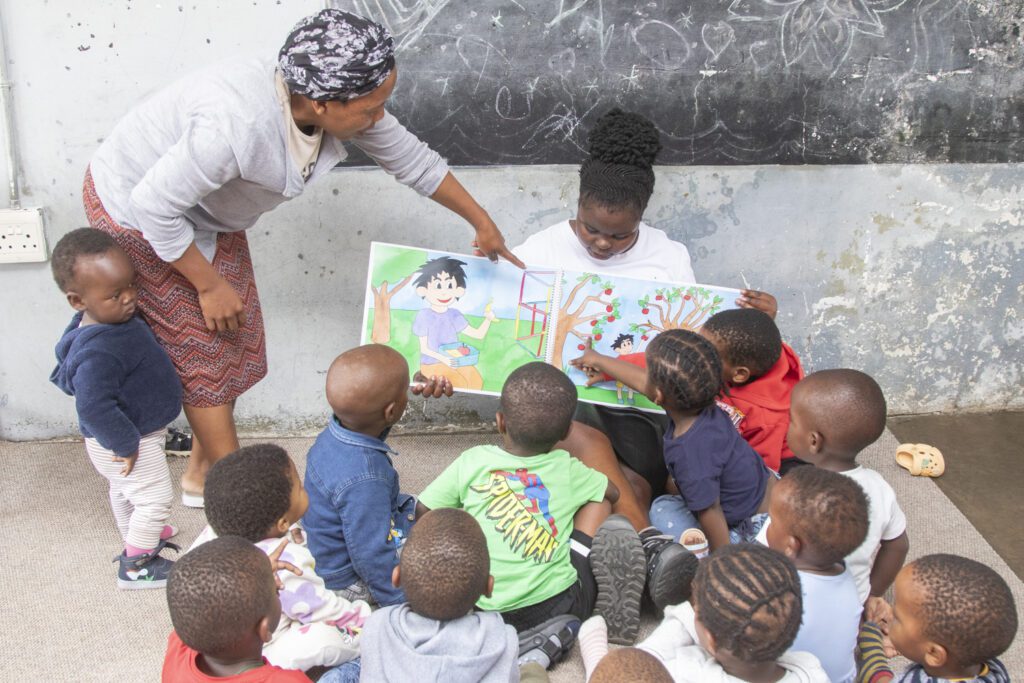
The Bana Pele Blueprint calls for professionalisation of the ECD workforce, improved practitioner training and stronger systems for quality assurance. KHULA’s Community ECD approach operationalises these priorities at a local level. It embeds structured curriculum support, strengthens practitioner capability through mentorship and links informal centres into a wider network of accountability and support.
Rather than introducing a parallel system, it enables existing community provision to function more effectively and sustainably.
Why This Model Works
Rural education systems are shaped by constraints: limited infrastructure, informal provision and scarce professional development opportunities. Sustainable improvement depends on strengthening local actors.
KHULA’s model works because it:
- Builds skills within the community
- Provides structured, repeat engagement rather than once-off training
- Aligns practice to recognised curriculum frameworks
- Combines early learning improvement with youth employment pathways
- Embeds accountability through ongoing mentorship
Over time, this creates stability within centres, strengthens practitioner confidence and improves consistency in early learning delivery.
A Model for Sustainable ECD
As South Africa refines its ECD strategy toward 2030, scalable rural models will be essential. Programmes that invest in local capability, structured support and sustained engagement are more likely to deliver durable change.
KHULA’s Community ECD approach demonstrates that strengthening community-based provision is both practical and effective in rural settings. It builds systems, develops practitioners and positions communities themselves as the custodians of quality early learning.