
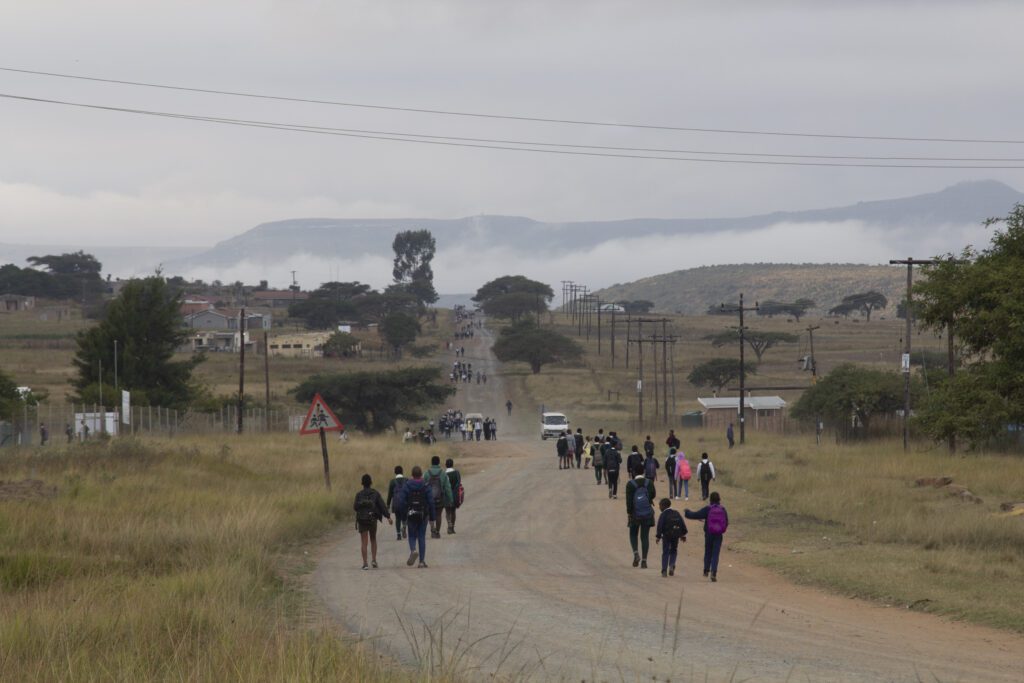
KwaZulu-Natal’s 2025 matric results are worth celebrating, and they also remind us how much work still lies ahead.
In South Africa, matric refers to the final year of secondary school and the national examinations that mark the end of formal schooling. These results shape whether young people can access university, further training or employment. In 2025, KwaZulu-Natal achieved a 90.6% matric pass rate, placing the province first nationally and contributing to a record 88% overall pass rate for the country.
This is an extraordinary achievement. It reflects the determination of learners, the commitment of educators, and the resilience of school communities across the province including in districts that have historically been under-resourced.
As an organisation working in deeply rural parts of KwaZulu-Natal, we celebrate this moment with genuine pride. For nearly two decades, we have seen first-hand the talent, ambition and perseverance that exist in rural classrooms. These results affirm what we know to be true: potential is everywhere.
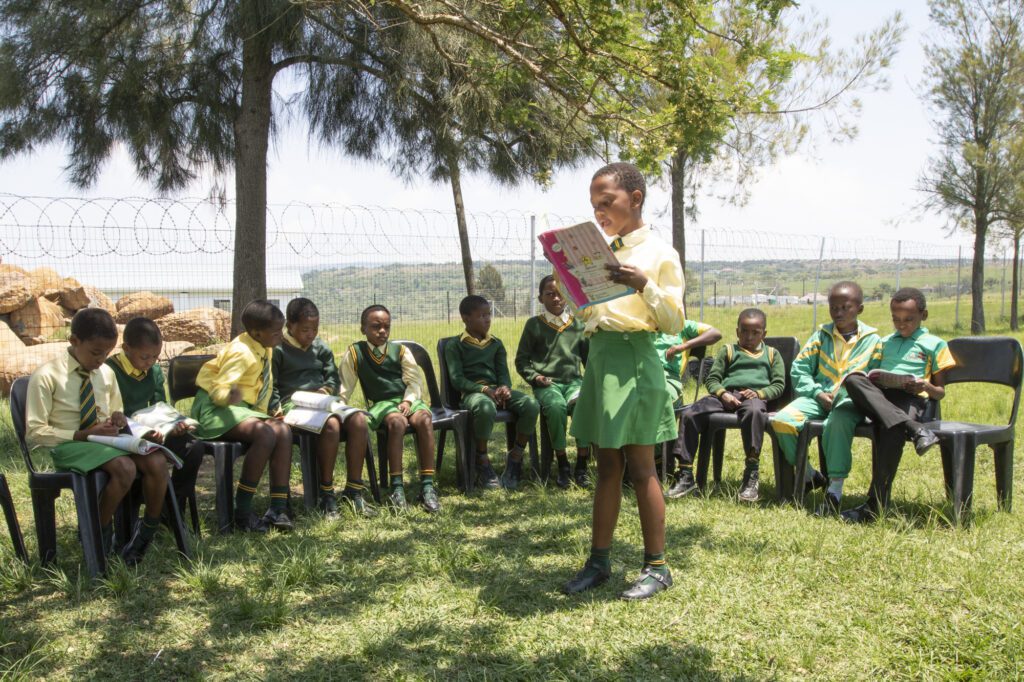
But headline results never tell the full story.
It is also important to understand how matric pass rates are calculated. In South Africa, a learner can pass matric with a grade of just 30%. While this threshold enables many learners to complete school, it does not necessarily reflect readiness for further study, skilled employment, or long-term opportunity, particularly in subjects like Mathematics. We acknowledge and celebrate every learner who passes matric, but we also set higher internal benchmarks. Across our programmes, we work toward a 50% quality pass, especially in Maths and English, because stronger foundations open real pathways beyond school and give learners greater choice in what comes next.
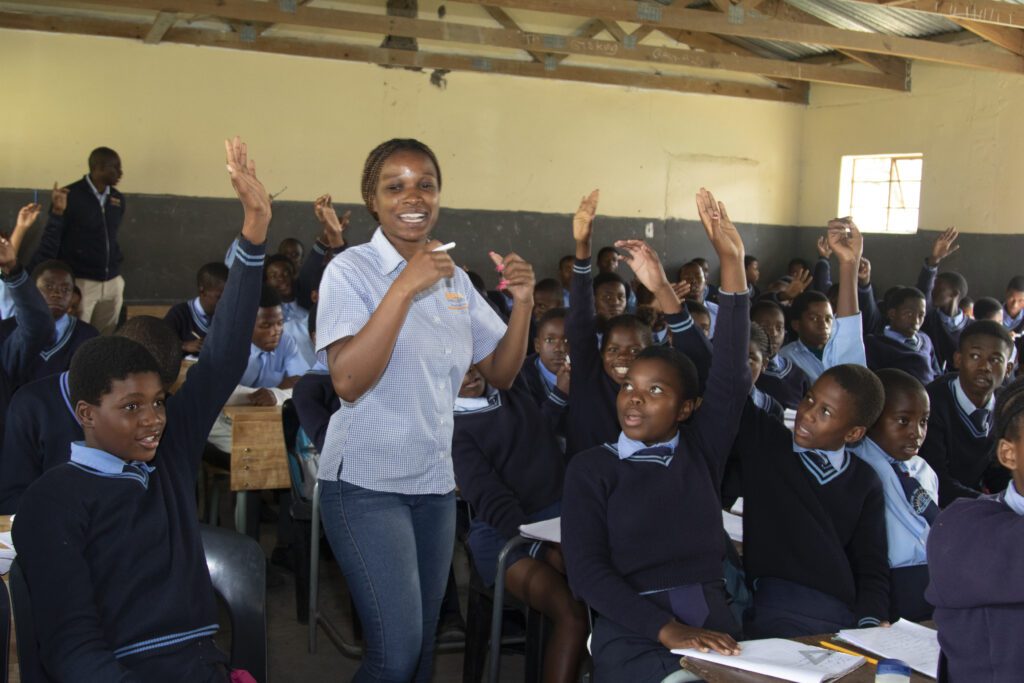
Our experience shows that strong matric outcomes are built years earlier. Quality early childhood development, consistent literacy and numeracy support, confident and well-supported teachers, and exposure to digital learning all play a critical role in whether learners arrive at matric ready to succeed. Without these foundations, even the most determined learners are forced to run uphill.
In the rural schools where we work, sustained investment across the education journey has led to more learners taking Core Mathematics, improved Foundation Phase results, and growing confidence among both learners and educators. These gains are incremental and hard-won, but they matter. They show what long-term support can achieve when schools and communities are partnered rather than left to cope alone.
KwaZulu-Natal’s results should give us confidence, not complacency. They are evidence of potential, not proof that the system is yet equitable.
If future cohorts are to thrive across all communities, rural and urban alike, we must continue strengthening foundations, supporting educators, closing the digital divide, and working in partnership with schools and government. Progress is possible, but it must be sustained.