
Digital inequality is educational inequality
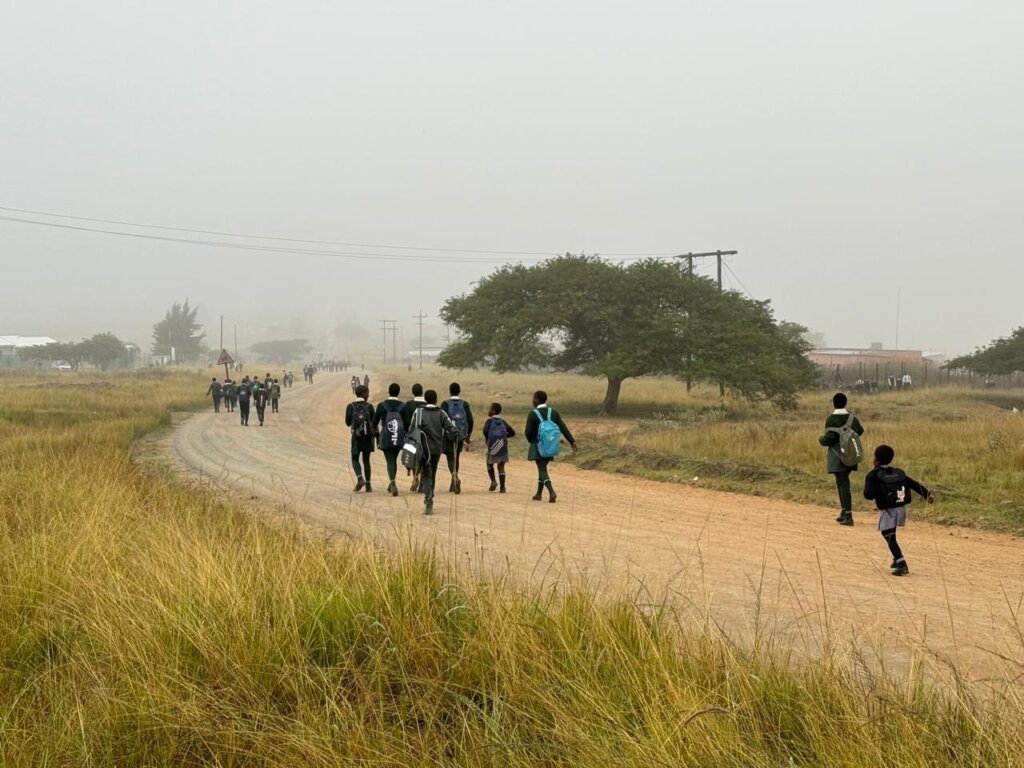
In deep-rural KwaZulu-Natal, where we work, connectivity remains fragile, data is expensive, and devices are scarce. In many of the schools we support, there is still just one iPad for every 20 children, a small window into a much larger problem: the risk of a generation being left behind in the digital age.
The divide between rural and urban classrooms is widening. While city schools introduce coding, AI, and robotics, many rural learners still share a single device or learn from textbooks that are years out of date. Teachers face similar barriers, working without stable Wi-Fi, digital training, or resources that allow them to integrate technology into daily teaching.

KHULA’s digital journey
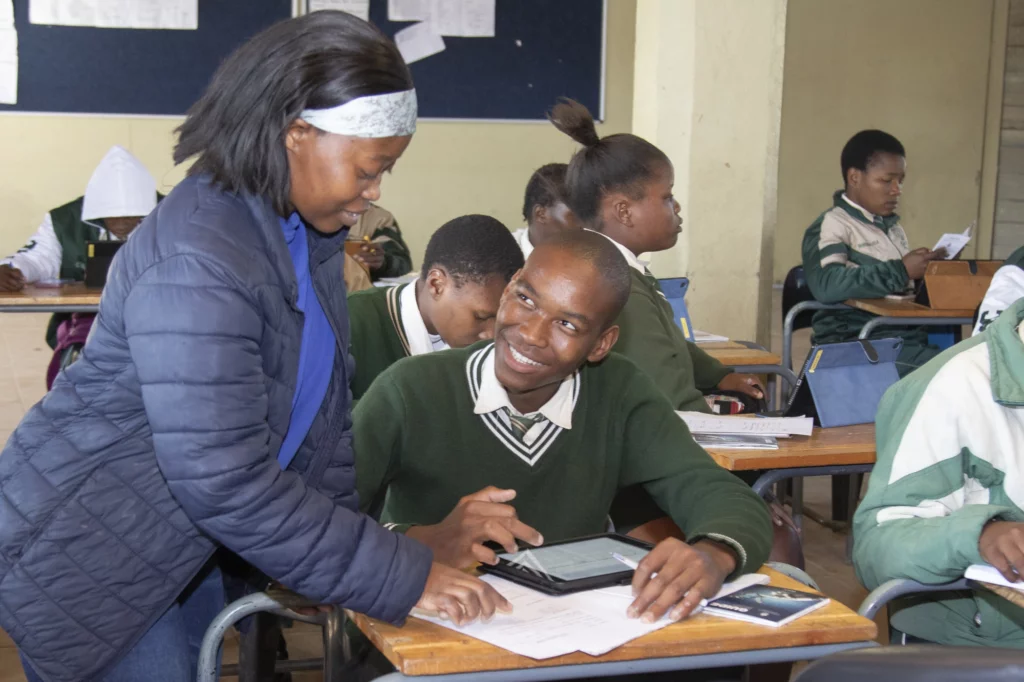
When we began digitising its Maths and English teaching, the goal wasn’t to replace traditional learning but to enhance it. Our educators introduced tablets for testing, real-time learner tracking, and interactive lesson content. What began as a small pilot has since become a model for what’s possible when innovation meets determination in rural South Africa.
We are integrating digital tools directly into rural classrooms, ensuring learners and educators can engage with modern teaching methods. Across our partner schools, teachers now use iPads, audio-visual resources, and online platforms to strengthen Maths and English.

AI and self-directed learning:
KHULA is now piloting AI-supported self-study tools. These tools help students revise independently, practice core concepts, and access resources aligned to the South African curriculum. It’s an early experiment, but one with enormous potential.
Cisco-accredited Skills Hubs: In 2024, we opened two Cisco-accredited Skills Hubs, transforming underused community spaces into vibrant digital learning centres. These hubs now provide free access to Wi-Fi, devices, and accredited training in cybersecurity, data analysis, programming, and coding.

We remain committed to ensuring that deep-rural communities are not left offline, or left behind. The digital divide is not inevitable it’s a design challenge we can solve together, with investment, innovation, and inclusion.